
Helping Children and Adults Breath, Sleep, and Grow Well
Breathing is one of the most fundamental things our bodies do, and how well we breathe directly shapes how well we sleep, grow, focus, and feel.
When the airway is too narrow or underdeveloped, it can affect nearly every part of life: from restless nights, snoring, and sleep apnea to daytime fatigue, behavioural problems in children, and even changes to the shape of the face and jaw.
We take an airway-centric approach to dentistry and orthodontics. This means we also evaluate how the jaws are developing, how the airway is functioning, and how breathing patterns are affecting overall health. In children, we strive to catch problems early, while they’re still growing. In adults, we offer modern options to improve breathing, sleep quality, and long-term health.
We serve Leduc, South Edmonton, and surrounding communities. Book an appointment today to discuss our airway and sleep apnea treatments.
Book AppointmentWhy Airway Health Matters
When the airway is compromised, the body works harder to get oxygen. Over time, this can lead to:
- Poor sleep quality and chronic fatigue
- Difficulty focusing, learning, or regulating mood
- Snoring, gasping, or pauses in breathing during sleep
- Underdeveloped jaws, crowded teeth, and changes in facial growth
- Increased risk of obstructive sleep apnea (OSA) in adulthood
- Long-term effects on cardiovascular health, hormone regulation, and immune function
The good news: many of these issues are preventable, and many are reversible, especially when caught early.
Signs of Airway Problems in Children
Sleep-disordered breathing affects an estimated 12–15% of children, with the highest rates in kids between ages 3 and 5. Many of these children are never diagnosed because their symptoms get mistaken for behavioural issues, allergies, or just “being a kid.”
Snoring is not normal in children. Neither is mouth breathing, restless sleep, or grinding teeth at night. These are red flags, not quirks.
There are several signs you can watch for in your child, both during the day and at night. If your child shows several of these signs, it’s worth scheduling an airway evaluation, even if your pediatrician hasn’t raised concerns. Many airway issues are missed in routine well-child visits.
Signs to Watch For at Night
- Snoring (even occasional or “cute” snoring)
- Mouth breathing while sleeping
- Pauses in breathing, gasping, or choking sounds
- Restless sleep — frequent tossing, turning, or unusual sleep positions
- Teeth grinding or jaw clenching
- Bedwetting after being potty-trained
- Night sweats
- Frequent nighttime awakenings
Signs to Watch For During the Day
- Mouth breathing or chronic open-mouth posture
- Chapped lips, dry mouth, or bad breath
- Dark circles under the eyes
- Daytime fatigue or falling asleep at unusual times
- Difficulty concentrating, hyperactivity, or symptoms that resemble ADHD
- Irritability, mood swings, or behavioural concerns
- Frequent headaches
- Picky eating or difficulty chewing and swallowing
- Speech concerns or tongue thrust
Physical Signs We Look For in An Exam
- Narrow, high-arched palate
- Crowded teeth or a small lower jaw
- Crossbite, deep bite, or open bite
- Enlarged tonsils or adenoids
- Tongue tie or restricted tongue mobility
- Long, narrow facial growth pattern
- Forward head posture
Why Early Treatment Matters
Children’s faces and jaws grow rapidly in the early years. By age 8, roughly 85% of craniofacial growth is already complete. This growth window is also the window of greatest opportunity. During this time, we can guide jaw development, expand a narrow palate, and improve airway function with relatively simple, non-invasive treatments.
When airway issues are addressed early, we can often:
- Widen the upper jaw to make more room for the tongue and nasal airway
- Encourage forward, balanced facial growth
- Establish nasal breathing as the default
- Create space for adult teeth to come in straight, often without extractions
- Reduce or prevent the need for jaw surgery later in life
- Improve sleep, focus, and overall quality of life (sometimes within weeks)
When these issues are left untreated, children don’t simply “grow out of them.” More often, they grow into them—into a narrower airway, a less developed jaw, and a higher risk of adult sleep apnea, TMJ disorders, and chronic fatigue.
We screen children through routine dental exams as early as age 2–3 and recommend a formal orthodontic and airway evaluation by age 7, in line with the Canadian Association of Orthodontists’ guidelines.
Signs of Sleep Apnea and Airway Issues in Adults
Airway problems don’t disappear with age; they evolve. Many adults living with chronic snoring, fatigue, headaches, or unrefreshing sleep have an undiagnosed airway issue at the root.
Obstructive sleep apnea (OSA) occurs when the airway repeatedly collapses or narrows during sleep, causing the body to briefly stop breathing, sometimes hundreds of times a night. Over time, untreated OSA is linked to high blood pressure, heart disease, stroke, type 2 diabetes, weight gain, anxiety, depression, and significantly reduced lifespan.
If you experience any breathing difficulty, fatigue, or symptoms of disrupted sleep, you deserve to be evaluated. Whether you’re 8 or 58, the airway is worth looking at, and you don’t have to live with poor sleep as a normal part of life.
Nighttime Signs That Warrant Evaluation
- Snoring (especially loud or chronic)
- Witnessed pauses in breathing or gasping during sleep
- Frequent nighttime urination
Daytime Signs That Warrant Evaluation
- Waking up tired, even after a full night’s sleep
- Daytime fatigue, brain fog, or falling asleep during quiet activities
- Morning headaches
- Dry mouth or sore throat in the morning
- Mood changes, anxiety, or depression
Physical Signs of an Airway Issue
Physical signs that may indicate an airway issue, particularly when combined with signs and symptoms listed above, include:
- A narrow palate, a scalloped tongue, or a large tongue
- Teeth grinding or worn teeth
- High blood pressure, especially if hard to control
- Difficulty losing weight despite effort
Airway and Sleep Apnea Treatment Options
Every patient is different, and treatment is always tailored to the individual. Our team of dedicated professionals employs diagnostic tools and techniques to assess your or your child’s airway health comprehensively to determine which treatment(s) we recommend.
For Children and Adolescents
- Comprehensive airway and growth evaluation, including imaging when indicated
- Early interceptive orthodontics, often well before traditional braces
- Growth-guidance appliances to encourage forward, balanced jaw development
- Myofunctional therapy referrals to retrain tongue posture, swallowing, and nasal breathing
- Tongue-tie and lip-tie evaluations and referrals
- ENT collaboration for tonsil, adenoid, and allergy concerns
- Habit correction (thumb, finger, pacifier, and tongue-thrust habits)
For Teens and Adults
- Comprehensive airway evaluation with 3D imaging when indicated
- MARPE (miniscrew-assisted rapid palatal expansion) — non-surgical maxillary expansion (see below)
- Clear aligners and braces are designed with airway and arch development in mind
- Oral appliance therapy for snoring and mild-to-moderate OSA
- Coordination with sleep physicians for home sleep studies and CPAP alternatives
- Myofunctional therapy referrals
- Referral pathways for tongue-tie release, ENT evaluation, and surgical options when needed
MARPE: Non-Surgical Maxillary Expansion for Teens and Adults
MARPE (miniscrew-assisted rapid palatal expansion) is one of the most exciting advances in modern orthodontics.
For decades, adults with a narrow upper jaw or constricted airway were told their only option was SARPE, a surgical procedure that requires hospitalization, anesthesia, and significant recovery. MARPE offers a non-surgical alternative for many of those patients.
How MARPE Works
In growing children, the upper jaw can be widened easily because the bones of the palate haven’t fused yet. In late teens and adults, those bones become tightly interlocked, and a traditional expander often just tips the teeth outward instead of expanding the bone.
MARPE solves this. Its specific design allows the device to apply force where it’s actually needed, separating the two halves of the upper jaw and creating true skeletal expansion.
What MARPE Can Do
- Improve nasal breathing, often noticeably within weeks
- Widen the upper jaw, correct crossbites, and create space for crowded teeth without extractions
- in adult cases
- Increase nasal cavity volume and reduce nasal airway resistance
- Create more room for the tongue to rest in its proper position
- Improve facial balance and smile width
- Avoid jaw surgery (SARPE) for many patients who were previously told it was their only option
What to Expect
Active expansion typically takes 4–8 weeks, followed by several months of stabilization while new bone forms in the expanded area. Most patients tolerate the appliance well, and many report better breathing, especially through the nose, within the first few weeks.
The full process is overseen by your orthodontist and is performed entirely in our office without hospitalization or general anesthesia.
Who Is a Candidate?
MARPE is designed for skeletally mature patients (typically late teens and adults) with a narrow upper jaw, crossbite, breathing difficulty, or those who have been told they need SARPE surgery. A consultation with 3D imaging is the best way to determine candidacy.
What to Expect at an Airway Evaluation
Our airway evaluation is comprehensive and family-friendly. Depending on the patient, it may include:
- A detailed health and sleep history (with parent input for children)
- A clinical exam of the teeth, jaws, palate, tongue, tonsils, and airway
- Evaluation of breathing patterns, lip seal, and tongue posture
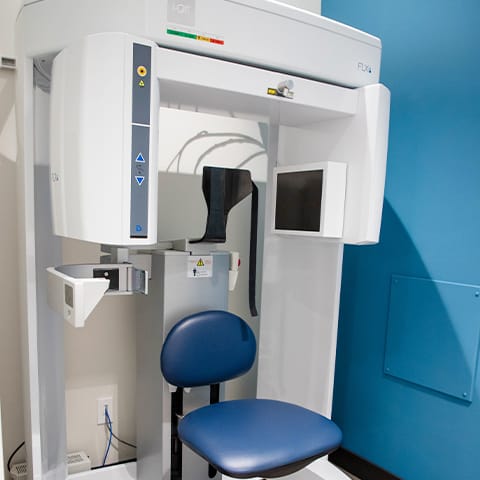
- 3D imaging (CBCT), when indicated, to visualize the airway and surrounding structures
- Sleep questionnaire screening
- Discussion of findings and a customized treatment plan
- Coordination with your pediatrician, primary care doctor, ENT, or sleep physician as needed
If a sleep study is needed, we’ll help coordinate that referral. Our goal is always to find the simplest, least invasive path to better breathing and better sleep.
When to Schedule an Airway Evaluation
If you’re a parent: Don’t wait. If your child snores, breathes through their mouth, has restless sleep, or shows behavioural signs that don’t quite add up, schedule an airway evaluation. Early intervention is almost always simpler, faster, and more effective than waiting.
If you’re an adult: If you snore, wake up tired, struggle with focus or fatigue, or have been told you may have sleep apnea, you have more options today than ever before. A consultation can help you understand what’s happening and what’s possible.
Breathing well shouldn’t be a luxury. It’s foundational to growth, to sleep, to learning, to mood, to long-term health. We’re here to help you and your family get there. Whether you’re in Leduc or the nearby communities in Edmonton, Nisku, Beaumont, or Devon, we’re here to assist you and your family. Schedule an airway evaluation with Bloom Orthodontics today.
Book AppointmentFrequently Asked Questions About Airway Dentistry
What is an airway dentist?
Airway dentistry is performed by a general dentist who has additional training and knowledge of the airway and related conditions, including sleep apnea.
They use this knowledge to inform their dental or orthodontic treatment to provide options such as custom appliances, myofunctional therapy, and coordination or referrals with other health care professionals, such as your pediatrician, primary care doctor, ENT, or sleep physician, as needed.
When should I see an airway dentist?
If you have any concerns about your or your child’s breathing, especially while asleep, you should consult with an airway dentist. Common symptoms such as snoring, mouth breathing, teeth grinding or clenching, daytime fatigue, and pauses in breathing during sleep could all indicate an airway issue.
Is it too late to fix mouth breathing?
Mouth breathing is a common sign of an airway issue. We see children, teens, and adults of all ages for a thorough airway evaluation to determine the cause of your primary concern, whether that is mouth breathing or another airway-related symptom. Then, we can work with you to determine our recommended treatment plan.
Come Visit Us
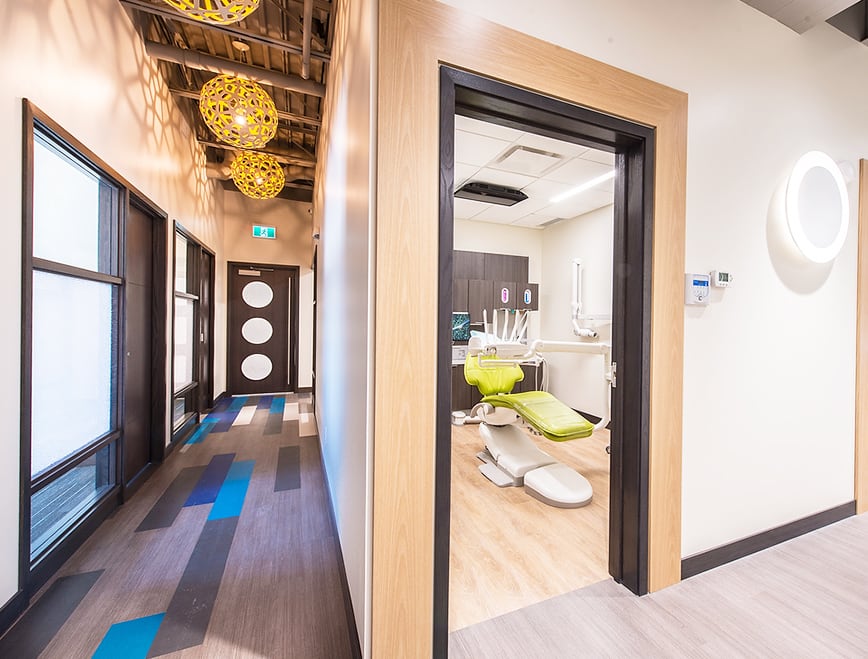
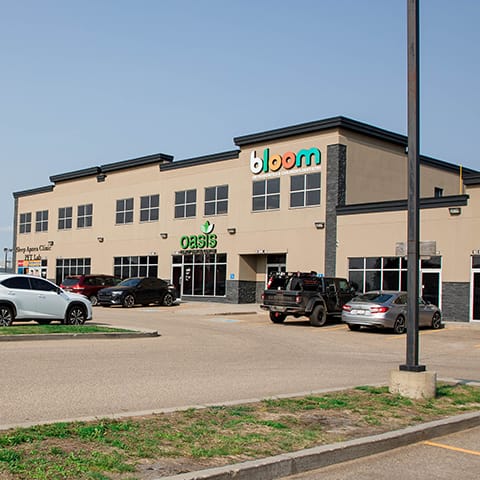
You can find us just off 50 Street, with plenty of parking available in front of the clinic. Look for our beautiful Bloom sign!
Our Address
- 6209 50 St., #201
- Leduc, AB T9E 7A9
Contact Us
- Phone: 780-612-9762
- Email: info.ortho@bloomdentistry.ca
Clinic Hours
- Monday: 8:00 AM – 4:00 PM
- Tuesday: 8:00 AM – 4:00 PM
- Wednesday: 8:00 AM – 4:00 PM
- Thursday: 8:00 AM – 4:00 PM
- Friday: 8:00 AM – 4:00 PM
- Saturday: Open 1 Saturday a month
- Sunday: Closed



Check us out on Instagram

Our Google Reviews









-
Bloom Orthodontics
- 6209 50 St., #201
- Leduc, AB T9E 7A9
-
P: 780-612-9762
info.ortho@bloomdentistry.ca