

Key Takeaways
- Sleep apnea happens when breathing pauses during sleep, and kids can have it too.
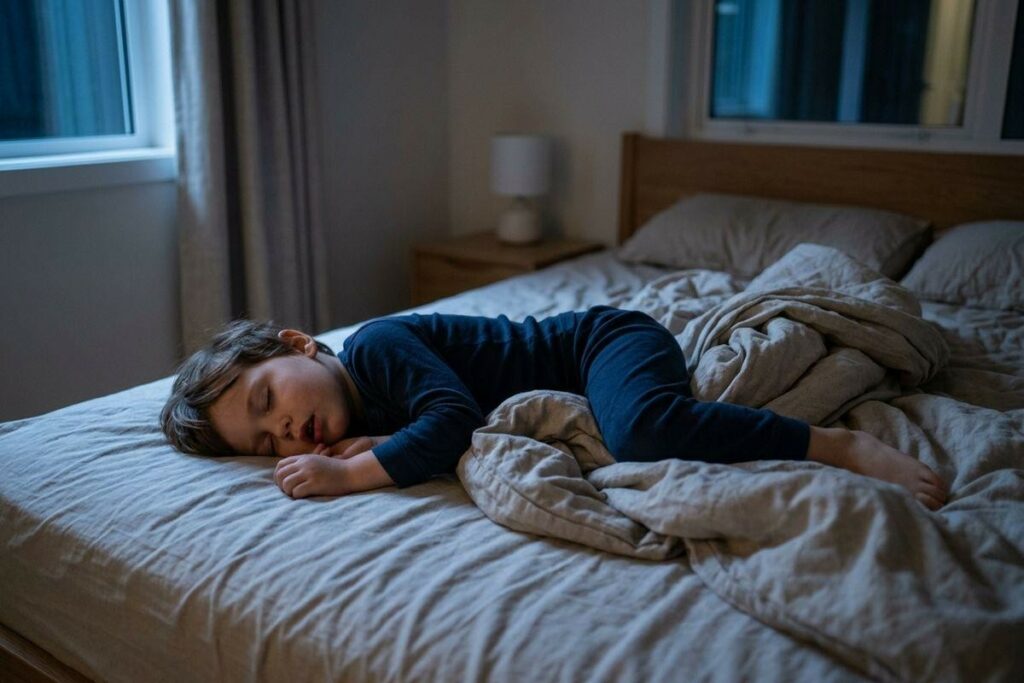
- Nighttime signs can include loud snoring, gasping, and restless tossing.
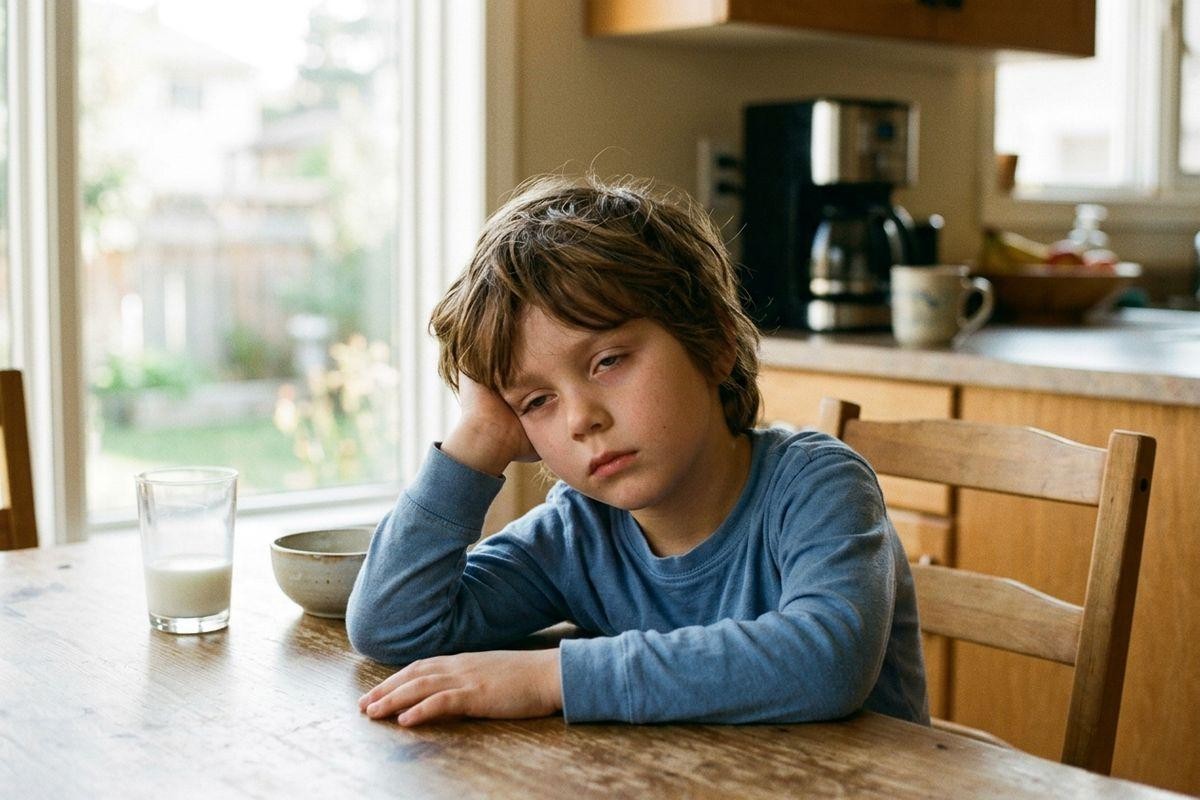
- Daytime signs like tiredness, trouble focusing, and crankiness often go unnoticed.
- Enlarged tonsils, allergies, and other sleep issues can cause similar signs.
- An airway-focused dental team can help assess your child’s breathing and sleep concerns.
Your child’s restless nights and daytime mood changes may signal more than a packed schedule. When breathing keeps stopping during sleep, it can disrupt the restorative sleep their body needs. At Bloom Orthodontics, our dental team helps Leduc families notice these patterns and decide what to do next.
The symptoms of sleep apnea include loud snoring, gasping or paused breathing at night, along with daytime tiredness, trouble focusing, and crankiness. Our approach to children’s dentistry goes beyond cleanings. We also consider your child’s airway, gum health, and developing bite to support their overall oral health.
What Sleep Apnea Means for Your Child
Your child settles into bed, but their breathing keeps stopping and starting through the night. That pattern of paused breathing during sleep may be a sign of sleep apnea. Repeated interruptions can disrupt the restorative sleep their growing body needs.
Many parents think that sleep apnea is only possible in adults, but kids can have it too. Small airways, mouth breathing, and other factors can interrupt a child’s sleep without anyone noticing at first.
As your pediatric dentist in Leduc, we can look at how your child’s airway, jaw, and mouth work together. That comprehensive view helps us understand what’s really going on and how to address it.
Nighttime Signs to Watch For
Some of the most common clues appear during sleep. Watch and listen for these signs during the night:
- Loud snoring, snorting, or gasping sounds
- Breathing that seems to pause, then start again
- Restless tossing and turning
Some clues may linger after your child wakes. Dry mouth can sometimes be associated with mouth breathing, although it has many possible causes.
Daytime Symptoms Parents Might Miss
If sleep apnea is affecting your child, it can disrupt their quality of sleep. You may notice signs of poor sleep during the day. Alone, these signs cannot diagnose sleep apnea, but they can signal that it may be time to book an appointment with your dentist:
- Tiredness even after a full night in bed
- Trouble focusing on schoolwork or play
- Crankiness or quick shifts in mood
How Symptoms Show Up in Kids
Tired kids don’t always slow down. Instead, poor sleep can contribute to behavioural changes that may look like hyperactivity. If you’re curious about your child’s symptoms, take our sleep apnea quiz to help guide your conversation with your child’s dentist.
What Else Could Cause These Signs?
These signs don’t always mean sleep apnea. A few other things can create similar patterns, and knowing them helps you share a fuller picture with our team.
Some common causes of sleep disturbances include:
- Enlarged tonsils or adenoids that crowd the airway
- Allergies and nasal congestion that make breathing harder
- Other sleep problems, such as restless legs syndrome, can also contribute to restless sleep or daytime symptoms
An evaluation can help determine whether these patterns may relate to sleep apnea or something else entirely.
Next Steps If You Notice Symptoms
You don’t have to figure this out alone. If you’re concerned about your child’s sleep, book an airway evaluation and bring notes about their sleep patterns:
- Track your child’s sleep patterns for one or two weeks
- Note when snoring or breathing pauses happen
- Monitor your child’s behaviour and see if you can spot any patterns
How Bloom Orthodontics Supports Families
Our team uses an airway-focused approach designed for young patients. That means looking at how your child breathes, sleeps, and grows, then using those findings to discuss appropriate next steps. We use technology such as Solea laser dentistry to help make some dental procedures quieter and more comfortable for your child and for you.
If a sleep study is needed, we’ll help coordinate a referral so that you don’t have to manage the process alone. We’re here to help you understand the next steps for your child.
Schedule Your Child’s Appointment
At Bloom Orthodontics, we strive to make our space welcoming, calm, and comfortable for families. If you’ve noticed snoring, breathing pauses, or restless sleep, reach out to book an airway evaluation and discuss the next step with the team.